
Shower Installation Near Me
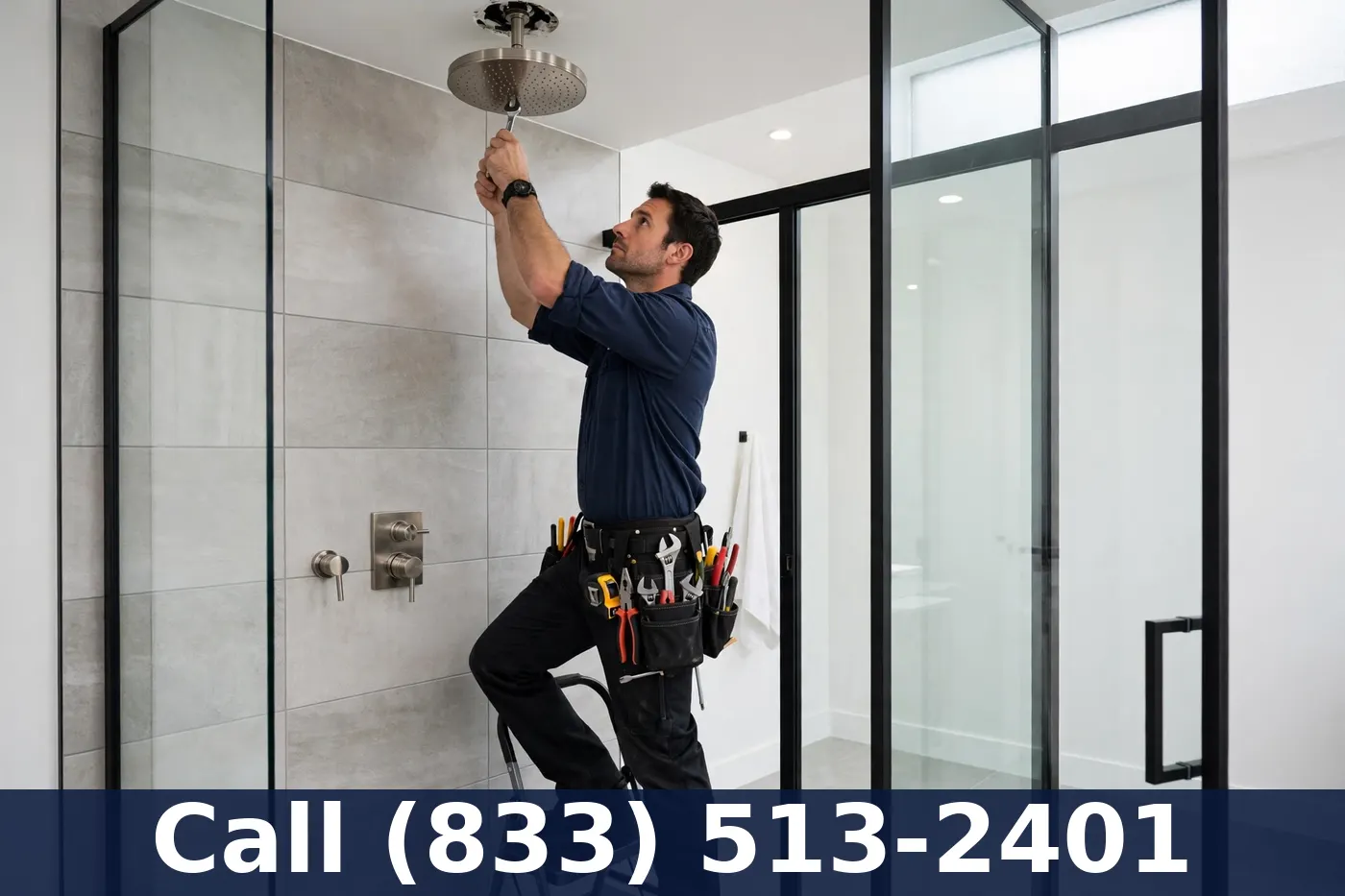
Starting price: Call for pricing
A proper shower installation is plumbing work first and a pretty bathroom second: the valve rough-in, the drain, the sloped waterproofed pan, and the sealed connections that keep water where it belongs. Get those right and the tile lasts; get them wrong and the prettiest shower leaks into the wall. Plumbing Services Pros installs complete shower systems for remodels and new builds -- pan or base, valve, drain, and trim -- built in the right order so they don't leak.
What a plumber's shower installation covers
When a plumber talks about installing a shower, the visible parts -- the tile, the glass, the pretty fixtures -- are only the finish. The installation itself is everything underneath: running hot and cold supply lines to the valve location, setting the shower valve body in the wall at exactly the right depth, connecting the drain to the waste line, and building the waterproofed pan that carries water to that drain. A plumber doesn't choose your tile, but everything the tile depends on is plumbing work. If any of it is wrong -- valve too deep, pan not sloped, drain misaligned -- the finished shower leaks, drains slowly, or fails within a couple of years. That's why the rough work matters more than the showroom choices.
The layers behind the tile
A shower that lasts is built in layers you never see, and each one has a job. It starts with framing and solid blocking for anything heavy -- benches, niches, grab bars, glass panels. The valve rough-in comes next, positioned so the trim kit will sit flush against the finished wall. Then the pan: whether it's a pre-formed base set in mortar or a site-built sloped pan, it must pitch toward the drain with no low spots where water sits. Over the walls goes cement board, not drywall, and over that a waterproofing membrane with every seam, corner, and penetration sealed. Tile and grout go on last -- and here's the part most people miss: tile and grout are not waterproof on their own. They shed water, but the membrane behind them is what actually keeps it out of the wall.
How the job runs, start to finish
A typical installation follows a set order because each step depends on the last. First, the old shower or tub comes out and the space is opened up -- subfloor checked, framing checked, supply and drain lines exposed. Then the rough plumbing: supplies run, valve body set and secured, drain connected and aligned with the pan location. The pan or base goes in next, set level in mortar and sealed to the drain flange. Waterproofing follows on the pan and walls, and every penetration gets sealed. Then pressure testing: the lines are pressurized and the drain is flood-tested before a single tile goes up, because finding a leak now is a ten-minute fix and finding it later is a demolition. Only after the tests pass does the finish work -- tile, grout, silicone at the corners, trim kit, showerhead -- go on. The last step is running the shower and checking every joint while it's wet.
Choosing the right setup for the space
Not every bathroom wants the same shower. A pre-formed pan with wall panels is the fastest, most predictable install -- great for a hall bath or a rental. A tiled shower with a site-built pan takes longer but fits odd sizes and lets you shape benches and niches into the design. Walk-in showers with no curb need the whole bathroom floor waterproofed and sloped, which is a bigger project but the most accessible result. Valve choice matters too: a pressure-balancing valve keeps the temperature steady when a toilet flushes elsewhere in the house, which is worth asking about if your current shower goes scalding or cold. Plumbing Services Pros will tell you which options your space and your existing plumbing actually support before you buy anything.
What affects the cost
Shower installation pricing moves with the scope of the plumbing, not the price of the tile. Converting a tub to a shower costs more than swapping a shower for a shower, because the drain location, the pan size, and the waterproofing area all change. Moving the valve or drain to a different wall adds supply and waste line work. The pan type matters -- pre-formed base versus site-built sloped pan -- as does the condition of what's underneath: rotted subfloor or corroded supply lines found during demo have to be fixed before the new shower goes in. Fixture choices move the number too, and permit requirements vary by locality. Call (833) 513-2401 to walk through your space and get an exact quote.
Caring for the new shower
A well-installed shower asks for little. Keep the silicone at the corners and around the fixtures intact -- it's the flexible seal that moves with the house, and re-caulking it when it pulls away prevents the most common slow leaks. Squeegee the glass and walls if you want to fight water spots and grout haze, and avoid harsh acidic cleaners on stone or grout. If the drain ever slows, clear it early rather than letting standing water sit on the pan. And if you notice a musty smell, a soft spot in the floor outside the shower, or grout that keeps cracking in the same place, call (833) 513-2401 -- those are the early signs of a waterproofing problem, and catching them early is the difference between a re-caulk and a rebuild.
Features
- Shower valve rough-in set at the correct depth for the finished wall
- Drain connection tied into the existing waste line
- Sloped shower pan or base set level and sealed to the drain
- Waterproofing of the pan and wall surfaces behind the finish
- Hot and cold supply lines run and pressure-tested
- Trim kit, showerhead, and handle installed and adjusted
- Final leak check with water running before the job is signed off
Benefits
- A shower that drains properly instead of pooling at your feet
- Waterproof layers that protect walls and subfloor for the long haul
- Valve depth set right so the trim fits and works smoothly
- No slow leaks behind tile turning into mold and rot
- Pressure and temperature that behave the way they should
- One crew handling the whole plumbing side, start to finish
Frequently asked questions
Can you install a shower where a bathtub currently is?
Yes -- tub-to-shower conversions are one of the most common installs. The drain usually needs relocating, the pan area gets reframed and waterproofed for the new footprint, and the valve often moves to a more useful height. Plumbing Services Pros handles the plumbing side of the conversion from demo to trim.
How long does a shower installation take?
A straightforward shower-for-shower swap with a pre-formed base is typically a few days of work. A fully tiled shower with a site-built pan takes longer because the pan, waterproofing, and tile each need their curing and setting time. Conversions and drain relocations add days. You'll get a realistic schedule after the space is assessed.
Do I need to pick out all the fixtures before you start?
The valve body has to be chosen before the rough-in, because different valves need different depths and connections in the wall. The trim kit, showerhead, and handle can be decided later since they attach to the roughed-in valve. Pick the valve early; take your time on the pretty parts.
What causes a new shower to leak?
Almost always the hidden layers: a pan without proper slope, waterproofing with unsealed seams, a drain flange that wasn't sealed to the pan, or a valve set at the wrong depth. That's why pressure testing and flood testing happen before tile goes up -- the tests catch what eyes can't see.
Can the shower drain be moved to a different spot?
Usually, yes, as long as there's access to the waste line below -- through a crawlspace, basement, or opened ceiling. Moving the drain is routine in conversions, but it adds plumbing work and needs the new location to maintain proper slope to the main line.
What drives the price of a shower installation?
Whether it's a swap or a tub conversion, whether the drain or valve moves, the pan type, the condition of the subfloor and supply lines found during demo, fixture choices, and local permit steps. Call (833) 513-2401 to walk through your bathroom and get an exact quote.